Some functionality has been disabled
To experience the best that the Church of England website has to offer, you need to enable JavaScript in your browser's settings. Turnon.js provides guidance on how to activate JavaScript for your particular browser.
A Christian presence in every community
10159 results found for 'about us facts stats funding howspent aspx'
NEWS / The Church of England has released new Ministry Statistics giving trends in ministry over the period between 2012 and 2015.
This page brings together the basics of how to claim Gift Aid, along with other useful-to-have information and news.
Innovation Funding aims to support small scale projects which will generate learning about good growth in the Church.
Why is Holy Saturday significant? How does the Church commemorate it? What is the Saturday before Easter Day called?
Further information about People and Partnerships Funding, including guidelines
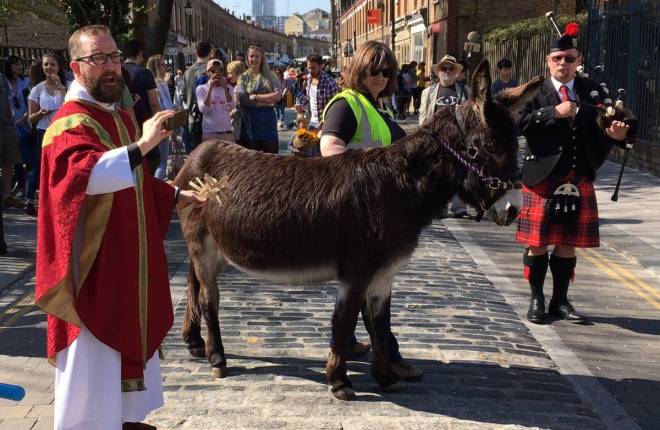
Why do churchgoers carry palm crosses? Why will there be processions through towns and cities this Sunday? Why will donkeys be seen in churches and cathedrals this week?
What does Good Friday commemorate? What happens in churches and cathedrals on Good Friday? Where does the name originate?
What does it commemorate? What does Maundy mean? Why do Christians wash feet? What is Maundy Money?
Fundraising is one of the most crucial parts of any project. We can help you be creative and get organised.
Churches across England invited to apply for grants to fund activities aimed at promoting a better understanding between science and faith.