Some functionality has been disabled
To experience the best that the Church of England website has to offer, you need to enable JavaScript in your browser's settings. Turnon.js provides guidance on how to activate JavaScript for your particular browser.
A Christian presence in every community
14747 results found for 'about us work other churches working together locally aspx'
The local work of the Church of England with other Churches across England
Throughout the UK the Church of England works with other national Churches, to build relationships and theological understanding.
The Church of England works with other Churches across Europe and the wider world.
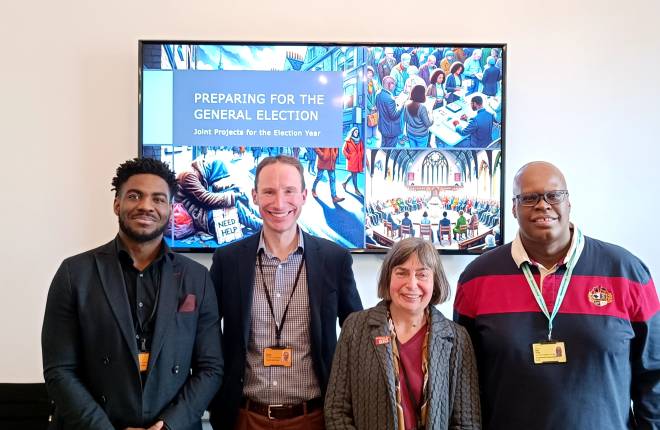
A fringe meeting at General Synod looked at ecumenical projects including hustings and voter registration.
FEATURE / On Saturday afternoon, around and during the England football match (!), the Digital and Church House Publishing teams updated General Synod on how we’re supporting local churches and encouraging people into worshipping communities.
New working group will bring together theologians, Church leaders and safeguarding professionals.
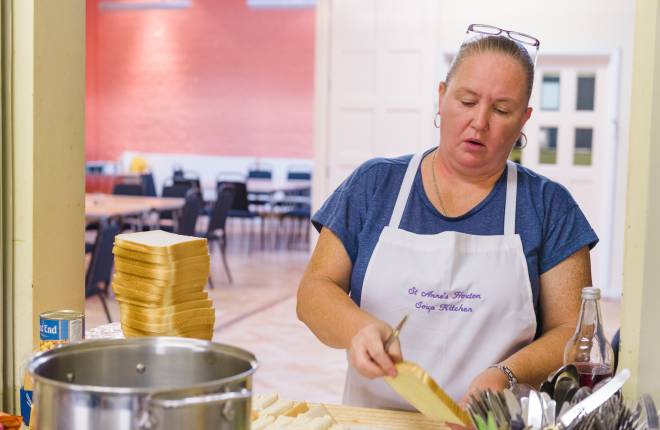
More than 33,000 social action projects are run or supported by churches, according to figures setting out for the first time the full scale of the Church's service to communities.
Information about the Cathedrals Working Group report and consultation.
With roles based at Church House, Westminster, the NCIs provide expertise, advice, guidance and services to the whole Church.
NEWS / Statement from the Rev Nigel Genders, Church of England's Chief Education Officer on work of the Education Office on Living Well Together.