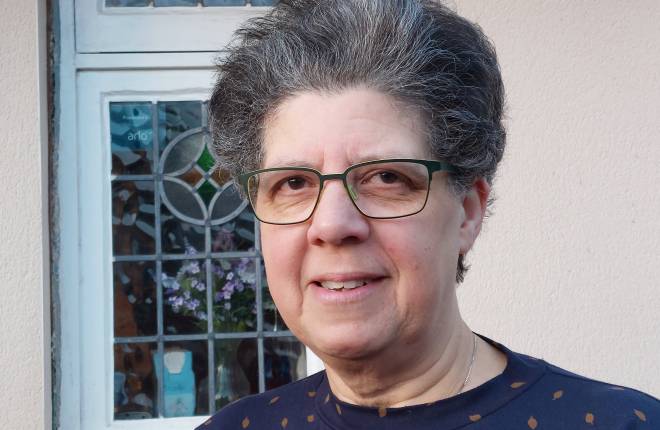
Independent reviewer upholds appointment process for Bishop of Blackburn
Report by the Independent Reviewer Canon Maggie Swinson on the process leading to the nomination of the Bishop of Blackburn, published
2 min read
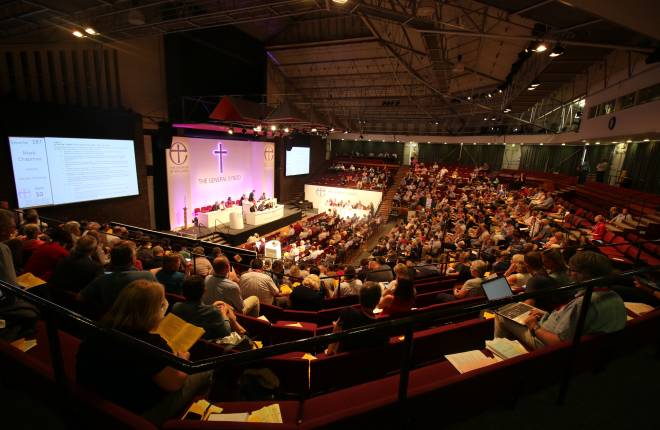
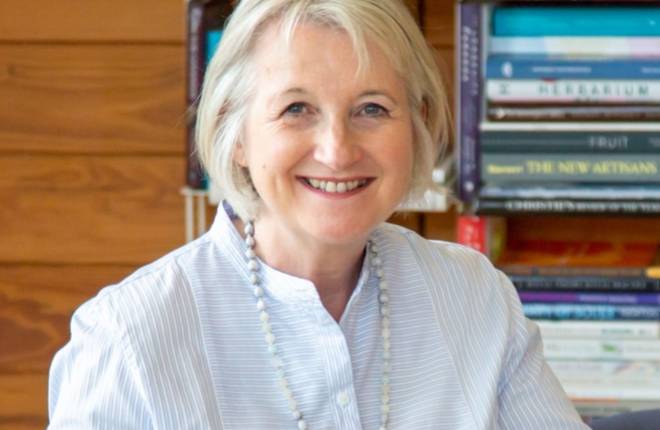
Independent co-chair for safeguarding Response Group appointed
Lesley-Anne Ryder, an experienced CEO and chair who has worked in national and local government and the health and charity sectors, has been appointed the independent co-chair of the Response Group…
2 min read

Mike Pilavachi: Statement from National Safeguarding Team
National Safeguarding statement following survivor testimony
2 min read
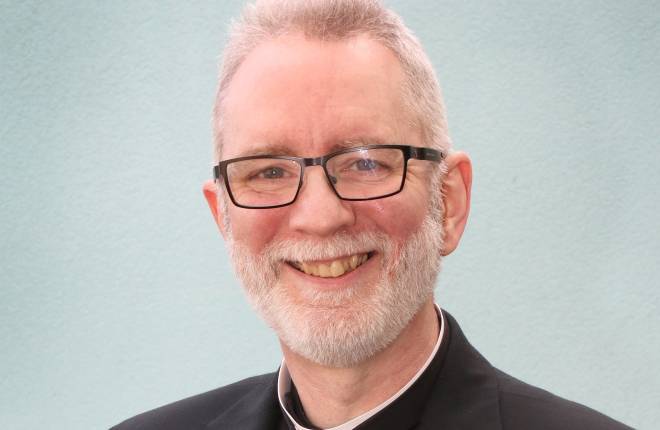
The Revd Dr Joseph Kennedy named next Bishop of Burnley
The next Bishop of Burnley will be the Revd Dr Joseph Kennedy, Downing Street has announced.
1 min read
Journalists may contact the press office on 0207 898 1326 (monitored inside and outside office hours)
or email [email protected] (routinely monitored during office hours)

Latest stories
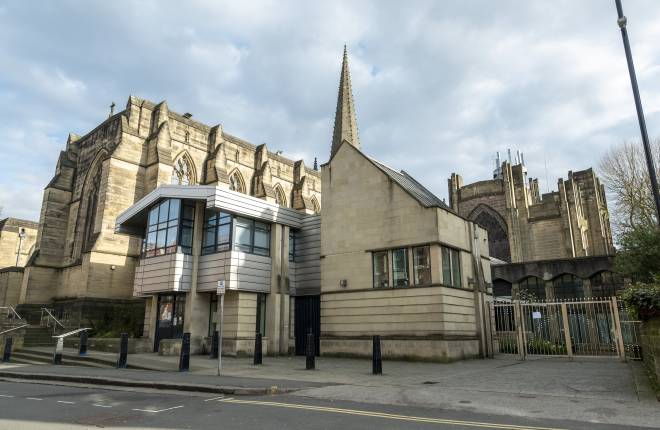
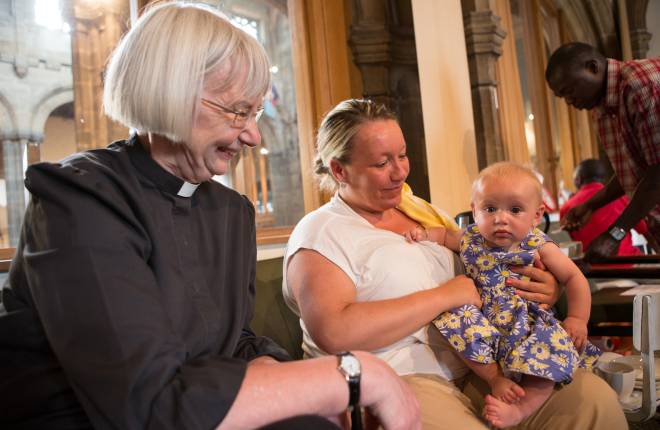
Tea and toast at a Cathedral grows into a charity helping thousands of people
3 min read
- Salisbury
- Social action

Funding for rural parishes frees up churches for mission
2 min read
- Winchester
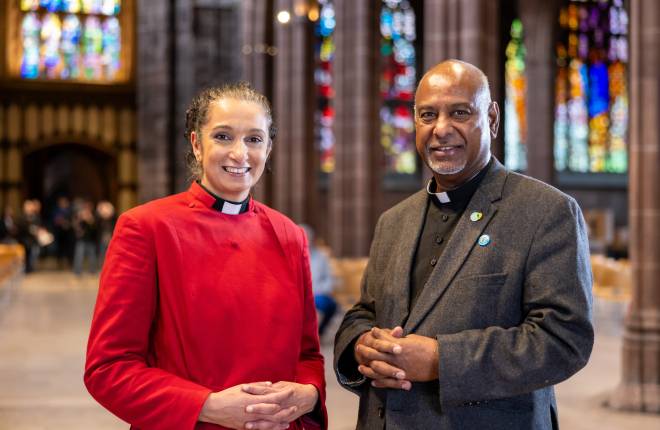
New video highlights net zero ambitions across the country
2 min read
- Eco church
- Net zero
- Climate change
- Energy
- Environment
- Sustainability

The Communications Team
Find out about the team and contact us