04 October 2010
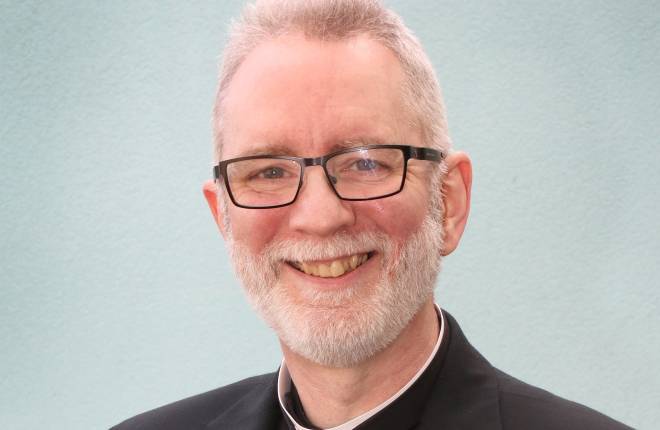
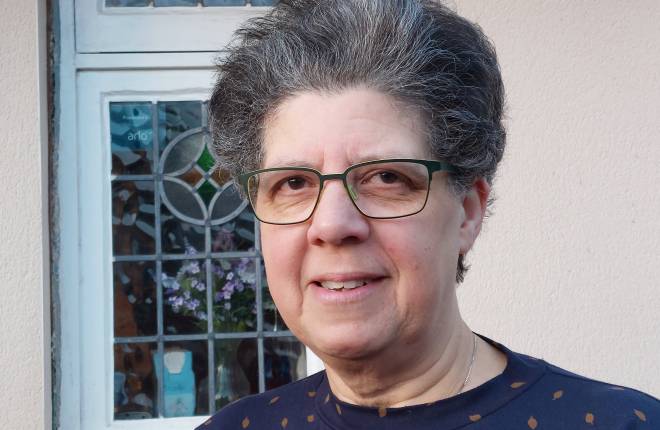
The Rt Revd John Pritchard, Bishop of Oxford, has accepted
the invitation of the Archbishops of Canterbury and York to chair
the Church of England Board of Education and the National Society
Council. He will take up the post of lead bishop on education,
succeeding the Rt Revd John Saxbee, Bishop of Lincoln at his
retirement on 31 January 2011.
Bishop John will take up the post at a time when there are
major changes taking place in the English public education system
leading to a new engagement of the Church of England with schools
across the country.
2011 will provide a particular focus on church schools
with the 200th anniversary of the National Society*. A
service in Westminster Abbey in October will be the culmination of
events and celebrations across the country, in schools, communities
and cathedrals. The year will also see the publication of a
new history of the National Society and new guidance on admissions
to church schools.
Bishop John Pritchard said: "It's a great
privilege to be asked to take on this responsibility, especially at
a time when education is again a key issue for a new Government.
The range of the Church's engagement with children and young people
is impressive, from one million children in its schools to tens of
thousands in holiday clubs. My own diocese of Oxford has opened two
new academies in the last two years with more following, and there
are nearly 50 full-time youth workers. The Church of England has a
deep commitment to education going back 200 years. 2011 is the
bi-centenary of the National Society which pioneered education for
all across the country, so I could not be coming into this role at
a more auspicious time."
Bishop John Saxbee said: "Through its Education Division
our Church expresses an enduring commitment to growth in body, mind
and spirit. Lifelong learning is at the heart of
our faith, and it has been a privilege to Chair the Division during
times of challenge and change. Bishop John will
bring characteristic grace and wise judgement as the Division takes
forward exciting initiatives which will be rolled out in Schools,
Parishes and Dioceses in the next few years."
The Revd Janina Ainsworth, the Church of England's Chief
Education Officer, said: "I'm looking forward to working with
Bishop John over the next few years, as the shape of the
educational landscape changes. There will also be the challenge to
grow the Church's informal work with children and young people, and
the engagement in both Further and Higher Education. Bishop John
brings exciting experience from the dioceses and will be well
placed to lead for the Church in these
areas."
Information
Biography Bishop John Pritchard
John Pritchard has been Bishop of Oxford
since 2007. He was previously Bishop of Jarrow, Archdeacon of
Canterbury and Warden of Cranmer Hall in Durham. He has a written a
number of books, including, most recently, Living Jesus
(2010), Going to Church: A user's guide (2009); and
The Life and Work of a Priest (2007).
* The 'National Society
for the Education of the Poor in the Principles of the Established
Church' (now known simply as the National Society) was founded in
1811 with the intention of establishing a school in every parish
providing education for those who had no other opportunity. This
pioneering vision was brought into reality through a huge programme
of building, staffing and equipping new schools - fifty years
before the State saw the importance of providing free
education. http://www.natsoc200.org.uk/
Key facts on Church Schools
- Around one million children and young people are educated
in Church of England schools
- Around a quarter of all state primary schools in England
are Church of England schools - that's around 4,450
schools.
- Around one in twenty of all state secondary schools in
England are Church of England schools - around 210
schools.
- 40 Church of England Academies are now open, with a
further five now at an advanced stage in planning - the majority
replacing vulnerable or failing schools and many in areas of social
deprivation.
- Nearly one-fifth of all primary pupils and around six in
every hundred of all secondary pupils attend these schools and
these percentages in each case are growing.