17 May 2011
Churchyard wildlife watch for UN International
Biodiversity Day (May 22) Shrinking the
Footprint, the Church of England's national environmental campaign,
is encouraging churchgoers to follow in the footsteps of the Rev
Gilbert White and other naturalists to take a closer look at wild
plants, including those with faith links, in their churchyards.
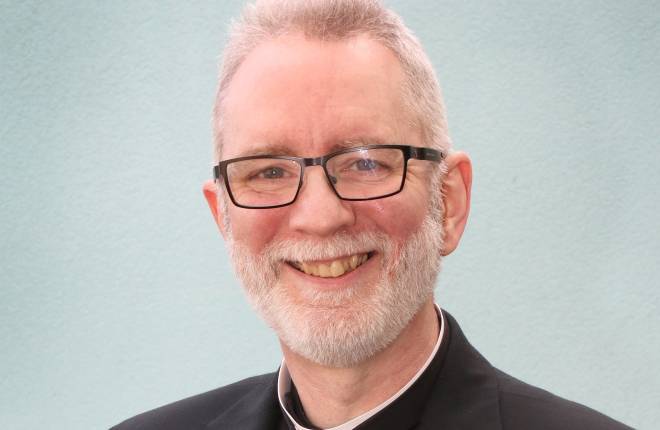
International orchid expert the Revd David Ridgway (vicar of St
Stephen's, St Albans) says orchids, along with a range of other
wild flowers, are blooming at this time of year and, with the onset
of early spring, there is a host of wildlife to be spotted in
churchyards. (Listen to the
podcast).
As a partner in the UN International Biodiversity celebrations,
Shrinking the Footprint has drawn up a list of plants and web links
that will help nature enthusiasts make the most of some 10,000
churchyards around the country.
With monocropping and chemical pesticides used in farms and
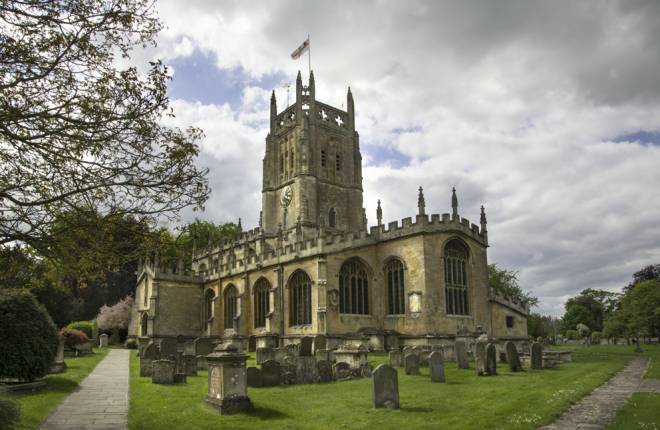
gardens, churchyards are often the most biodiverse places in
communities. Wildlife audits have revealed a surprising range
of wild flowers and animal life in churchyards.
Some plants, like meadow saxifrage and the green winged orchid,
are now only found in churchyards. These grow side by side
with other plants gathered naturally over the years, but also
alongside those introduced inadvertently from decorations in the
church or on graves.
Speaking in the Commons last week, the Second Church
Estates Commissioner, Tony Baldry MP, encouraged churches to
celebrate Biodiversity Sunday by recording the growth of their
Millennium yews. The Conservation Foundation donated 8,500 yew
trees to churches to celebrate the Millennium.
David Shreeve, the Church of England's national environment
adviser, said: "There is a wealth of wildlife in our churchyards
which, when added together, form the country's largest and most
biodiverse nature reserve. This year is a great opportunity for
churchgoers to spend time appreciating what special places our
churchyards are in providing their communities with local Noah's
Arks of biodiversity which everyone can share not just this Sunday
but every day - for free"
Plants with faith links:
Columbine - Aquilegia vulgaris - is also known as
'dove flower'. The dove is a symbol for new creation and baptism
and carvings of the flower are often found in cathedrals and
churches.
Sorrel - Rumex acetosa - was one of the bitter
herbs that Hebrew people ate with Passover lamb and so possibly
part of the Last Supper.
Moschatel - Adoxa moschatellina - also known as the
Good Friday flower. There is no other flower like it with its
five petals facing north, south, east and west and a fifth facing
the sky and a scent of musk. It is the only species in its
genus and the only genus in its family in the world.
Wild Pansy -Viola tricolor - a member of the
violet family, and also known as 'heartsease' and 'Trinity Violets'
because they are yellow, white and purple.
Cow Parsley - Anthriscus sylvestris - also sometimes
known as 'Our Lady's Lace'
Pasque Flower - Pulsatilla vulgaris - thought to be the
lilies of the field Jesus pointed to in his Sermon on the
Mount.
Solomon's Seal - Polygonatum multiflorum -
grows in the wild now only in a few places. King Solomon was
renowned for his wisdom, composed 3000 proverbs and 1005 songs and
built the first temple.
Speedwell - Veronica. When Jesus carried his cross,
Veronica was the girl in the crowd who offered him her
handkerchief. When Jesus handed it back his face was
imprinted on the cloth. An old country name for speedwell is
'God's Eye'
Lady's Smock - Cardamine pratensis. In the cloisters of
Lincoln Cathedral which is dedicated to Our Lady there is a garden
full of her flowers.
Lords and Ladies - Arum maculatum - has also been known
as 'Parson in the pulpit' and 'Parson in his smock'.
Useful web links:
http://www.wildlifetrusts.org/
- "protecting wildlife for the future" with examples of
churchyard audits
http://www.naturalengland.org/
works to to protect and improve England's natural environment
http://www.caringforgodsacre.org.uk/
conservation charity for churchyards and burial grounds
www.rhs.org.uk - news and
advice on gardening for all
http://www.orchid.org.uk/intro.htm
Orchid Society website with lots of info and advice
Notes
The Revd Gilbert White (18 July 1720 - 26 June 1793) was a
pioneering English naturalist and ornithologist, as well as a
Church of England priest. He is well known for his
publication The Natural History and Antiquities of
Selborne (1789).
Listen to international orchid expert the Revd David Ridgway at
http://www.churchofengland.org/media-centre/follow-us-online/podcasts.aspx
Last year many of the country's churches rang their bells on
International Biodiversity Day to celebrate the world's
biodiversity and the importance of their churchyards.
http://www.churchofengland.org/media-centre/news/2010/09/pr8110.aspx