Some functionality has been disabled
To experience the best that the Church of England website has to offer, you need to enable JavaScript in your browser's settings. Turnon.js provides guidance on how to activate JavaScript for your particular browser.
A Christian presence in every community
10198 results found for 'more media centre news'
To contact the press office call 0207 898 1326 (monitored inside and outside office hours)
or email [email protected] (routinely monitored during office hours)
There are a few quick changes that you can make on social media so that it is accessible to everyone, especially those who are blind or partially sighted, and those who use a screen-reader.
FEATURE / The Church of England’s digital communications team has trained more than 200 parishes in social media and writing for the web.
More than a million people are being reached every month with the Christian message on social media, a year after the Church of England adopted a new digital approach, new figures show.
A vision for the Church of England, one that is Jesus Christ centred and shaped.
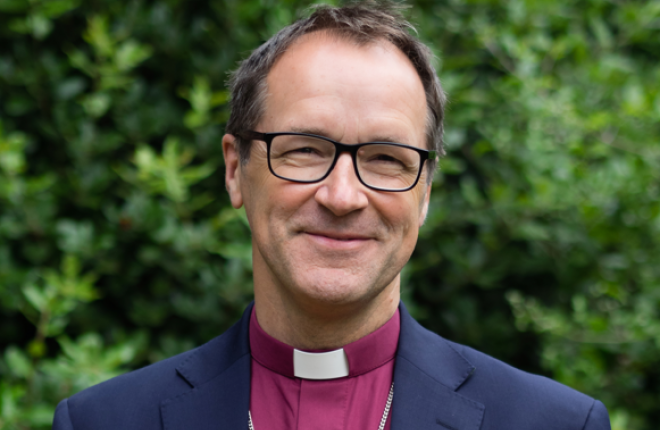
The Bishop of Kensington, Dr Graham Tomlin, to step down in August to lead the new Centre for Cultural Witness - a project to underpin the Church’s work of being a Christian presence in every community
We've found seven post examples to inspire your social media this week.
Social media can be a powerful way to spread the word and invite even more people along to something this Christmas.
Resources for flourishing rural churches and communities.
Our community guidelines have been created to encourage conversations that reflect our values. They apply to all content posted on the national social media accounts run by the Church of England, the Archbishop of Canterbury and Archbishop of York.