22 March 2012
Church schools are at the heart of the nation and should
robustly assert their Christian ethos and foundation, according to
recommendations included in a groundbreaking report published by
the Church of England.
The Church, which is responsible for more than 4,800 schools
across the country, educates more than a million pupils and schools
are increasingly in the front line of its work in
communities.
The report,
The Church School of the Future, has taken
evidence from dioceses, school leaders, politicians and other
stakeholders with an interest in education. It will be launched
today (Friday, March 23) at a conference at Lambeth Palace along
with two new videos on YouTube*.
It says the challenge for all existing Church schools, and any
new schools, is to maintain their distinctive Christian character
in an increasingly fragmented education system and amid strong
attacks from secularists.
And it warns against a 'utilitarian' approach to education where
economic pressures risk forcing a narrow view of pupils' ability to
develop and learn both academically and spiritually.
While giving firm backing to the current Government's drive to
raise attainment, the report describes the administration's
approach to religious education as 'disappointing' and calls for a
new strategy to improve teaching and learning in RE.
The Bishop of Oxford, who leads on education for the Church
of England, said: "Our schools are a gift to the nation. They have
been serving communities for more than 200 years and our schools
are very popular with parents. But the report is clear that we must
be careful to protect their distinctive nature, especially amid
pressure from groups who would prefer that we were not involved in
education at all.
"The entire educational landscape has shifted with many more
types of school and different providers involved in a new market
place. This is an opportunity and I would not be surprised to see
at least 200 more Church schools developed in the next five
years."
The Archbishop of Canterbury, Dr Rowan Williams said: "This
report marks the exceptional record of our Church schools in the
last 200 years and charts the way forward in a fast-changing
landscape. Universal free education in England began when the
Church of England introduced schools in every parish - more than 50
years before the provision of state education. Two hundred years
later, church schools continue to serve their communities, are
popular with parents and they provide an inclusive education with a
strong Christian ethos. It is important for the nation that we
retain their distinctive character and we are working closely with
Government to ensure they continue to thrive."
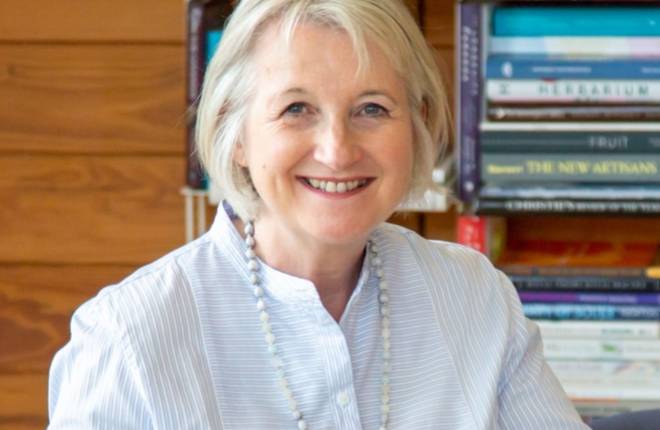
Dr Priscilla Chadwick, a former headteacher and chair of the
Headmasters' and Headmistresses' Conference, who chaired the review
panel, said: "What came through very strongly when we were taking
evidence is that we must as a Church reaffirm our mission in
education and ensure we take a strategic approach to planning for
the future."
The report sets out the Church's mission in education and
reaffirms the importance of the distinctiveness of the Church
school 'brand'. "The changes and challenges ahead must not
compromise this brand" it says.
The report also highlights the critical importance of religious
education. It states: "High quality religious education and
collective worship should continue to make major contributions to
the Church school's Christian ethos."
The findings of the review point to an open approach to new
forms of affiliation and partnership including the provision of
support services, which fill the gap left by the reduction in the
role traditionally played by local authorities.
An urgent recommendation calls for a working group to be set up
to look at the risks faced by small rural Church schools, in order
to protect them as the traditional education structure
fragments.
The report also recommends a shake-up of the Church's central
education service, calling for 'serious consideration' of the need
for a single Church of England education office - in effect
bringing together the National Society, a trust which oversees
Church of England schools, and the Archbishops' Council Board of
Education.
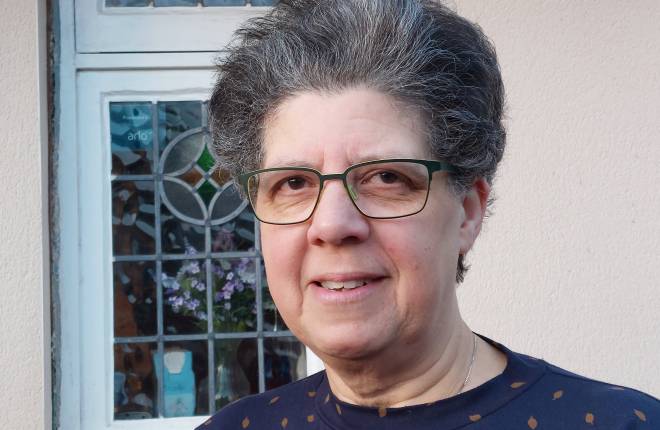
Rev Jan Ainsworth, Church of England Director of Education,
welcomed the report. She said: "We need to ensure our organisation
is geared towards supporting Church schools. The report recommends
that the dioceses and the centre work together to strengthen the
support we collectively provide to Church schools."
Notes:
Videocasts from the Bishop of Oxford and Dr
Chadwick are available at http://youtu.be/M-WzFjb4qJM
and http://youtu.be/OX8WfCSzSFY
A copy of the report, The Church School of the
Future is available as a PDF on request and is available
online from 00.01 am March 23
Biographies: Bishop of Oxford
The Bishop of Oxford, Rt Revd John Pritchard, leads the
Church of England in Oxfordshire, Buckinghamshire and Berkshire. As
chair of the Church of England's Board of Education he is episcopal
spokesperson on education in the House of Lords. Full biography at
http://www.oxford.anglican.org/about-the-diocese/who-s-who/the-bishop-of-oxford.html
Biography: Dr Priscilla Chadwick
As Principal in both state and independent schools and
Dean in London South Bank University, Dr Chadwick has managed major
changes in both secondary and higher education and, in 2005, was
the first woman elected Chair of the Headmasters' and
Headmistresses' Conference. As a theologian, she has
published two well-reviewed books and taken an interest in
religious broadcasting, giving Thought for the Day on
Radio 4 and chairing the Sandford St Martin Awards. The
Archbishop of Canterbury appointed her to chair the Dioceses
Commission and she is a member of the General Synod Board of
Education. Having been Principal of Berkhamsted School until
2008, she was then appointed to chair the Governors of the new Wren
Academy in the London diocese and to oversee the national Review of
Anglican schools.
Biography: Rev Jan Ainsworth
The Revd Janina Ainsworth is the Church of England's Chief
Education Officer. Before taking up the role in 2007 she worked in
the Manchester Diocesan Board of Education, first as an advisor and
schools inspector and then as Director of Education, with
responsibility for all aspects of Christian education. She
previously taught at schools in Cambridge, Lancaster and North
Manchester, lectured at St Martin's College, Lancaster, and was an
education liaison worker for the Tameside Council for Racial
Equality.
As Chief Education Officer Jan Ainsworth is both Head of the
Archbishops' Council Education Division and General Secretary of
the National Society. The Education Division is responsible to the
Board of Education and to the Archbishops' Council for the Church's
policy on lifelong, statutory and voluntary education, promoting
the highest quality of educational practice throughout the Church.
The National Society supports Church schools throughout England and
Wales, actively supporting the education policies of the Church of
England and the Church in Wales.