01 November 2012
The High Level Panel advising the UN on the new post-2015
development framework, meeting in London this week (1 November) and
co-chaired by David Cameron, must ensure the voices and expertise
of those directly affected by poverty and injustice are heard and
valued, says the Church of England's International Affairs
Adviser.
Prime Minister David Cameron is hosting the meeting of the High
Level Panel, of which he is a co-chair and which was set up by the
United Nations to create a successor to the existing Millennium
Development Goals (MDGs).
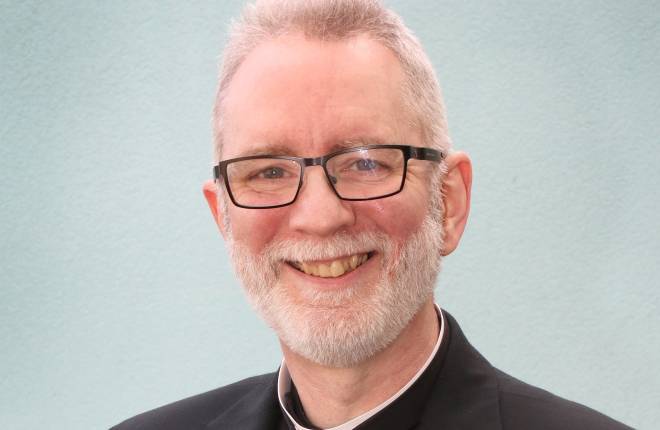
Speaking at the start of the High Level Panel's meeting in
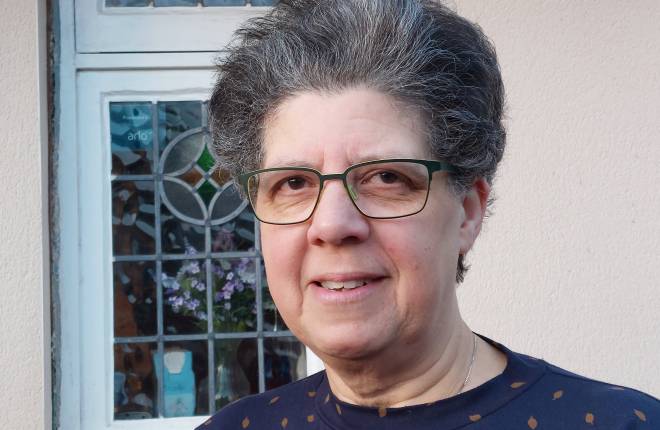
London Dr Charles Reed, the Church of England's International
Affairs Policy Advisor, commented: "If we are to learn anything
from the way MDGs were negotiated it is that if the post-MDG
development agenda is to command widespread legitimacy it can not
be defined by a group of experts and technocrats working behind
closed doors in a way that leaves unchallenged a model of
development centred on the concerns of donors"
Dr Reed, who will be attending the High Level Panel's outreach
with Civil Society on 2 November, said: "As a member of the
worldwide Anglican Communion, the Church of England obviously has
particular issues and priorities close to its heart that we would
like to see reflected in a post-2015 agenda. That is only natural.
But it is important that all parties step back from selling a
particular agenda or prescriptive view of human development to
focusing instead on ensuring that the voices and expertise of those
directly affected by poverty and injustice are heard and
valued."
"As a Church we are committed to working with our partners from
all around the Anglican Communion to ensure that their voices are
heard fully and directly in the consultation process. A practical
proposal from a faith based NGO in rural Kenya should receive as
much attention as an idea from the Gates Foundation."
Notes
UN Secretary-General, Ban Ki-moon, appointed the HLP on 31 July
2012 to develop 'a bold vision to advise on global development
after the Millennium Development Goals expire in 2015. The
co-chairs were named as Prime Minister David Cameron, Liberian
President Ellen Johnson Sirleaf and Indonesian President Susilo
Bambang Yudhoyono.
This second meeting of the Panel in London will comprise three
days:
- 31 October will be a day of seminars for panel members to engage
with leading international experts, and discuss how a new
international framework could drive poverty eradication. It will
focus on issues such as transparency, access to justice and
personal security, which are key to
lead to sustained prosperity.
- 1 November will be a full day of discussions among Panel members
of issues related to individual and household level poverty,
including a particular focus on human development; and jobs,
livelihoods and targeting.
- 2 November will be a day of outreach to: civil society, private
sector and youth, organised in partnership with these
constituencies.
Future substantive meetings of the HLP will be in Monrovia in
January/February with a focus on national development and in Bali
in March with a focus on global partnerships.
The HLP is due to report to the UN Secretary-General by the end
of May 2013.
Dr Charles Reed will be tweeting his reflections and thoughts on
the High Level Panel's Civil Society Outreach day on 2 November.
You can follow him at @ethicalcomment