
Views
National policies include Canon Law and the Measures and motions passed by the General Synod (the Church's parliament): Measures become part of the law of the land on Royal Assent. Dioceses and Parishes also set appropriate local policies.
Opinions on a variety of subjects are those given in submissions to Government inquiries, consultations and such that have been considered by the councils and committees of the Archbishops' Council.
Spotlight on
Marriage, Family and Sexuality Issues
The Church is committed to working with and supporting the diversity of Britain's households in every community and at national level
International Affairs
Human suffering, violence and injustice effect people across the world. The Church works for the good of all by promoting peace, justice and solidarity. It also plays an active role in the life of the European Union, EU.
Home and Community Affairs
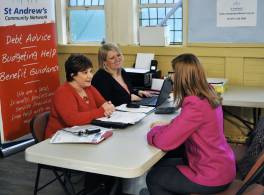
The Church engages in Home Affairs policy (criminal justice, mental health and other social issues) and has a presence in every town and city working for the good of community and urban life; it is committed to working with and promoting people of all ethnic backgrounds.
Environment and Rural Affairs
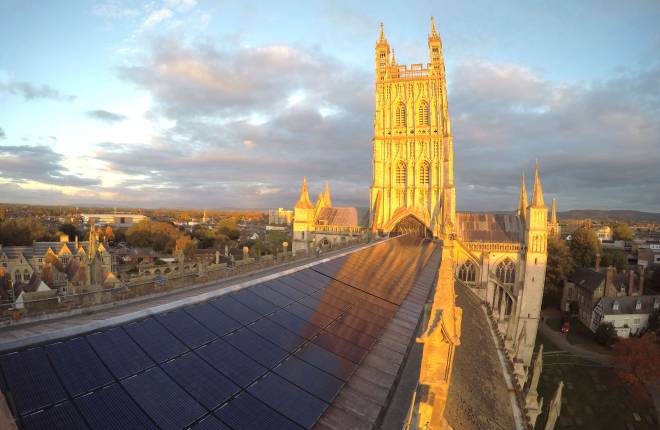
Shrinking the Footprint is the Church of England's national environmental campaign. The C of E's national rural work is based at the ecumenical Arthur Rank Centre (ARC), in Warwickshire.
Ethical Investment
Church of England ethical investment restrictions apply to companies involved in military products and services, pornography, alcoholic drinks, gambling, tobacco, human embryonic cloning and weekly collected home credit.
The Church in Parliament
The Church of England, as the established church, is represented in Parliament in several ways; through the Lords, the Commons, the Ecclesiastical Committee and the Anglican Chaplain to the Speaker.
Medical Ethics & Health & Social Care Policy
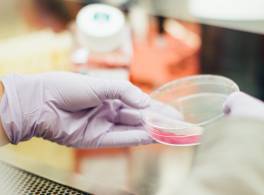
The Church of England engages with contemporary ethical debates in science, medicine and technology
Women Bishops
The possibility of women being admitted to the orders of deacon, priest and bishop has been on the Church of England's agenda since at least 1966 when Women and Holy Orders was produced for the Church Assembly.