Some functionality has been disabled
To experience the best that the Church of England website has to offer, you need to enable JavaScript in your browser's settings. Turnon.js provides guidance on how to activate JavaScript for your particular browser.
A Christian presence in every community
12658 results found for 'our views home community affairs community urban affairs community ministry urban mission community ministry aspx'
Christians believe in strong communities. Jesus’s teaching constantly stresses the importance of neighbourliness and care for the people around us – including the strangers and incomers.
How do you foster a strong community voice? The Archbishop of Canterbury’s Commission on Housing, Church and Community has been grappling with this question. With a Christian charity, Hope North London, Helen set about building community and empowering individuals on Strawberry Vale and two other estates.
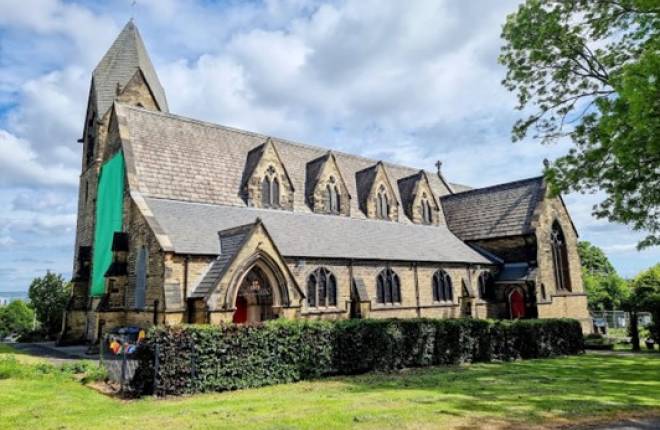
Keywords; Net-zero Carbon, Biomass, Diocese of Leeds, Grade II-listed building, Parish Church, Written Case Study
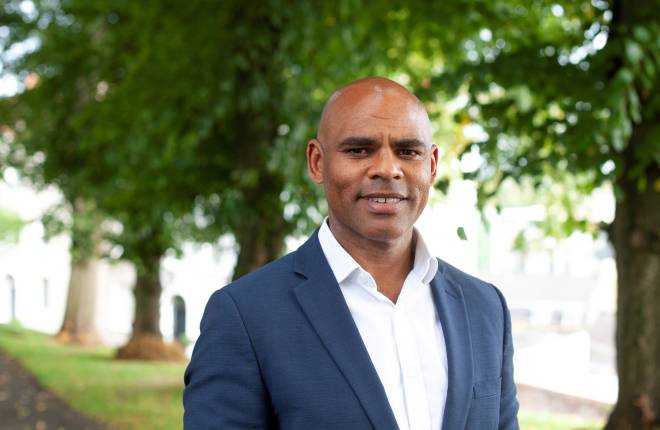
COMMENT / Members of the Archbishop of Canterbury’s Commission on Housing, Church and Community joined other panellists at the Bristol Housing Festival for a panel discussion on the church’s response to the housing crisis.
NEWS / The Mission and Public Affairs (MPA) team is pleased to announce two key appointments.
Learn more about different kinds of community action projects and how to set up your own.
A list of partner agencies who are experts in their area of social concern, so working with them can help to get a community action project off the ground faster.
Following the Publication of the Integrated Communities Strategy, the Church of England's Mission and Public Affairs Council has issued the following statement.
Websites and resources to help with to help with different types of community action projects.
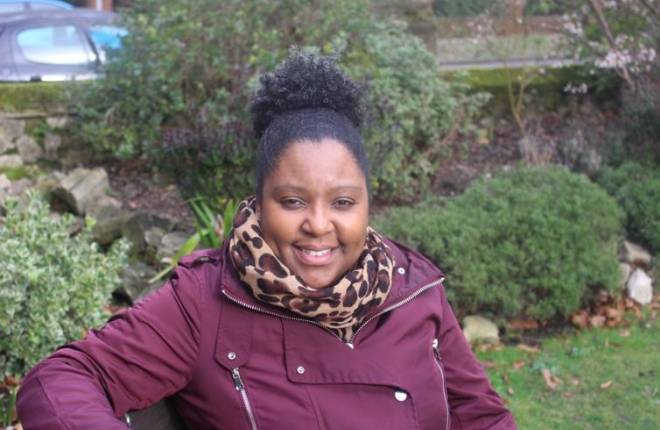
Hazel shares how her faith plays an essential role as she offers care to the community