Some functionality has been disabled
To experience the best that the Church of England website has to offer, you need to enable JavaScript in your browser's settings. Turnon.js provides guidance on how to activate JavaScript for your particular browser.
A Christian presence in every community
12672 results found for 'our views home community affairs home affairs policy justice issues prisons restorative justice aspx'
The Church of England's views on social concerns.
The Rural Affairs Group of General Synod is primarily a consultative group that works to support the mission and growth of the rural Church of England. It is chaired by the Rt Revd Richard Frith, Bishop of Hereford.
NEWS / The Mission and Public Affairs (MPA) team is pleased to announce two key appointments.
NEWS / The Bishop of Salisbury, the Rt Revd Nicholas Holtam, has accepted the invitation of the Archbishops of Canterbury and York to succeed the Bishop of London as the Church of England's lead bishop for Environmental Affairs with immediate effect.
Racial justice and inclusion is a critical priority for the Church of England and is committed to ensuring that our dioceses, clergy and volunteers reflect the communities we are called to serve.
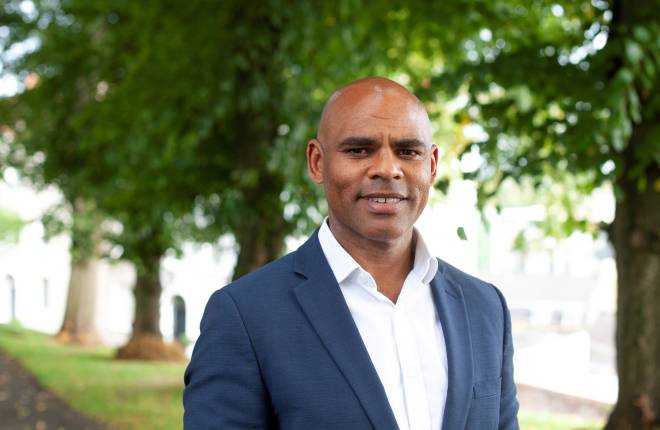
COMMENT / Members of the Archbishop of Canterbury’s Commission on Housing, Church and Community joined other panellists at the Bristol Housing Festival for a panel discussion on the church’s response to the housing crisis.
Faith at Home is a national campaign that builds on the work of Growing Faith and Everyday Faith to support the faith development and pastoral care of children and young people.
Racial Justice Sunday is for all churches to reflect on the importance of racial justice, to give thanks for the gifts and beauty of human diversity, and to commit to end racism and acts of discrimination.
Racial justice is a major priority for the Church of England and this has implications for the way we do ecumenism. Ecumenism is primarily about unity in diversity, and this should be reflected in the way we function.
Watch the fortnightly videos being released as part of our Faith at Home programme.