
Celebrating the gifts and ministry of Deaf, disabled and neurodivergent people in the church.
Barrier-Free Belonging
New Disability Project Manager appointed
20 February 2024
In December last year, the Archbishops’ Council awarded £2.4m for a new, two-year, programme to boost the participation of deaf, disabled, and neurodivergent people in the life of the church.
Helen James, currently working in the Central Services team, has been appointed as Project Manager for this work. Helen will be based in the Faith and Public Life team and will begin her new role on 2nd April.
The Bishop of Bedford, The Rt Revd Richard Atkinson, who Chairs the Disability Task Group which designed the project, said:
“I am delighted that this important new work will be led by Helen who has such a passion for the greater inclusion of disabled, deaf, and neurodivergent people in the life of God’s church. Much work needs to be done, and we are hoping to combine some ‘quick wins’ with laying strong foundations for long term changes to attitudes and culture so that all people know that the church is for them and recognises the individual talents each brings.”
The life and ministry of the church is incomplete without the presence and participation of Deaf, disabled and neurodivergent people. The Church of England is committed to work for the welcome, inclusion and participation of all.

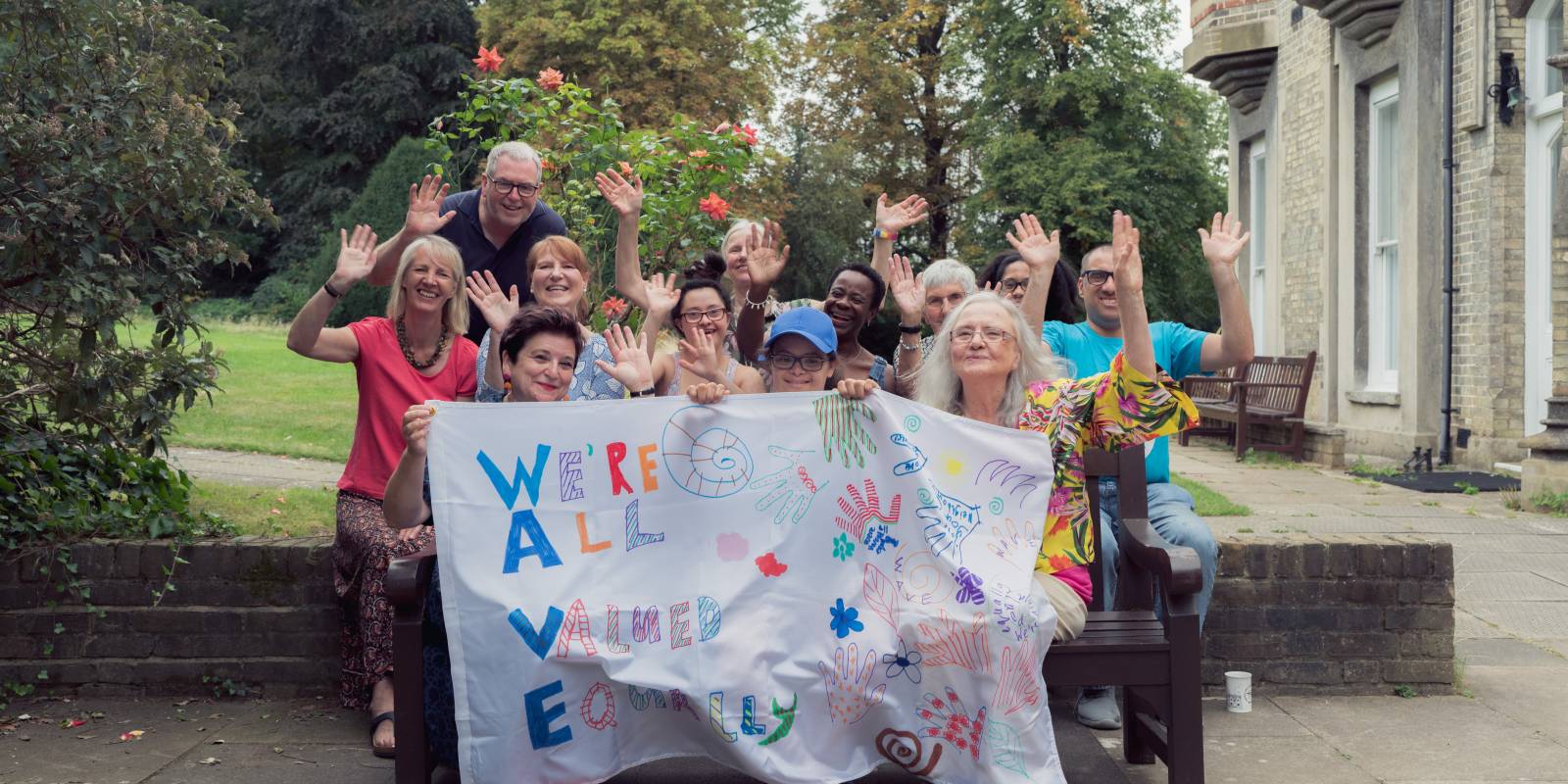
(Photo above and banner photo at top of page: WAVE Church, London)
The Church of England is committed to removing the barriers that Deaf, disabled and neurodivergent people face within the church. We want all people to be able to fully belong and participate in the life, mission and ministry of the church and we want all people to be able to flourish and grow as disciples and ministers, regardless of any physical, sensory or cognitive difference.
In the 2022 summer General Synod session, a motion was passed reaffirming this commitment. Read full motion and Synod debate.
‘This Synod, affirming disabled people (with hidden as well as visible disabilities) to be fearfully and wonderfully made in the image and likeness of God, and mindful of the progress already made in removing some of the barriers which disabled people, clergy and lay, face; commit to working towards the removal of all remaining barriers to full participation for disabled people in the life and ministry of the church.’
General Synod 2022
To support this ambition in 2024, the Archbishop’s Council have committed £2.4m to projects that will help churches become more accessible and welcoming and enable Deaf, disabled and neurodivergent people to explore vocation and grow in the church’s ministry and leadership.
Initiatives include:
- Developing a national scheme for disability signage
- Working with Renew Wellbeing to establish pilot wellbeing spaces in seven dioceses
- A Pilot grants scheme for parishes to apply for funding to provide facilities and/or resources to support Deaf, disabled and neurodivergent inclusion and belonging
- A leadership development programme for Deaf, disabled and neurodivergent clergy and lay ministers
- A training event for Deaf chaplains and ministers
- A specialist network training event for mental health advisers
- Two vocations weeks with events to promote Deaf, disabled and neurodivergent lay and ordained vocations
- Developing online resourcing and communication initiatives
Read full press release for more information.
The Rt Rev Richard Atkinson, Bishop of Bedford and the Church of England’s lead bishop for the ministry of and amongst Deaf and disabled people, responds to the announcement:
“I rejoice in the rich contribution that Deaf, disabled and neurodivergent people make to the life and ministry of the church. This funding comes as a welcome recognition of the work that many people do to improve access and inclusion across the church. As we declare that ‘we are the body of Christ,’ we need to ensure that every part of the body is able to fully belong and participate and bring their unique gifts to our worship and ministry. At the present time we are not fully inclusive and many disabled people find that they encounter barriers to full belonging and participation. This funding will help the church advance the journey towards equality and justice for Deaf, disabled and neurodivergent people and release many as yet unrecognised gifts that will enrich the church we are and the church we are becoming.”
The Rt Rev Richard Atkinson
This work will be facilitated and supported by the Committee for the Ministry of and amongst Deaf and Disabled People (CMDDP). This committee is appointed by the Archbishop’s Council to establish the vision and encourage the action that will place access and inclusion at the heart of the Church of England’s strategy for future growth. CMDDP and its subcommittees bring together a wide variety of Deaf, disabled and neurodivergent lived experience.
Making our buildings physically accessible and creating environments where people with a wide range of disabilities and differences can be present is important. However, becoming a church that is fully accessible and inclusive and enables the full belonging and participation of Deaf, disabled and neurodivergent people is far more than installing ramps and accessible toilets. It is about demolishing the ableist assumptions that disability is a deficit experience and removing the barriers to belonging and participation that Deaf, disabled and neurodivergent people often experience in the church. We want to see the gifts of Deaf, disabled and neurodivergent people released to enrich all that the church is and is becoming.
To help do this, many dioceses have appointed Disability Advisers who can offer training, advice and support. Check out diocesan websites or contact your bishop’s office or diocesan secretary to find out if your diocese has an adviser and find their contact information. If you find that your diocese does not have a Diocesan Disability Adviser at this time, contact your bishop to ask why this is so.
The CMDDP divides into two principle working groups. The Deaf Ministry Task Group (by Gill Behenna, the National Deaf Ministry Adviser) and the Disability Task Group (led by The Rt Rev Richard Atkinson, the Bishop of Bedford, who also chairs the CMDDP).
Deaf Ministry
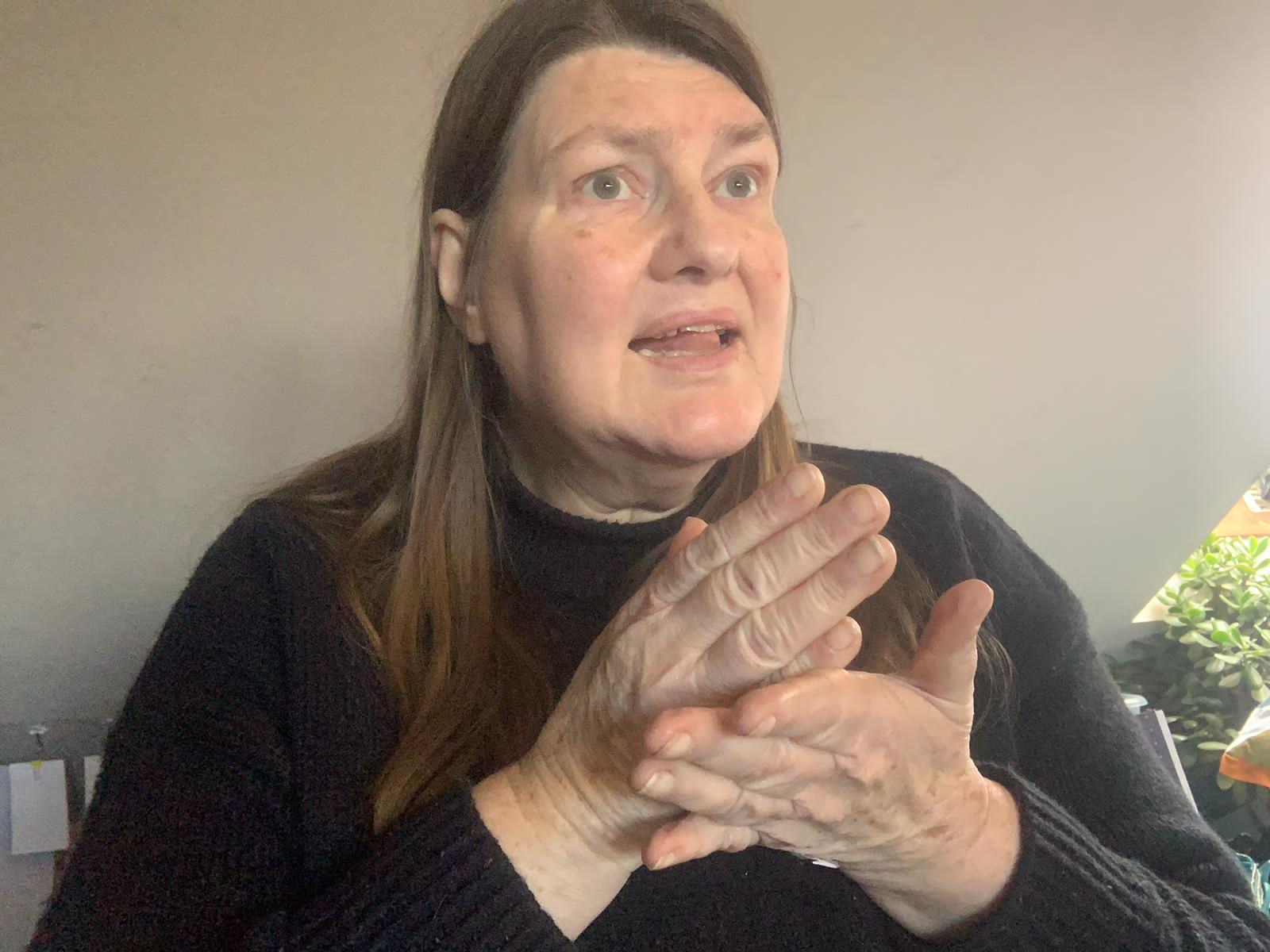
Deaf people who use British Sign Language (BSL) as their first or preferred language belong to a community with a rich and varied culture. Their worship, liturgy, teaching, and evangelism is all carried out in BSL. In many parts of the country there are active Deaf Churches and a national organisation, Deaf Anglicans Together (DAT) keeps in touch with Deaf Christians across the UK. DAT also sends three representatives to the General Synod.
Many Deaf Christians who use BSL attend both a mainstream church, with BSL/English interpreters, and a Deaf-led Church where they can worship in their own language and enjoy fellowship without communication barriers.
The Deaf Ministry Task Group of CMDDP is a group that draws together Deaf and hearing people with expertise and experience in Deaf Ministry. All are fluent or native BSL users. The work involves research, making information available, monitoring the situation regarding Deaf ministry across the Church of England and making recommendations to dioceses. The group is facilitated by Gill Behenna, the National Deaf Ministry Adviser, who also acts as contact for this group.
Disability Task Group
The Disability Task Group focuses on removing the barriers faced by disabled and neurodivergent people within the church. This often means challenging the endemic culture and attitudes that diminish disabled and neurodivergent people and fail to recognise that God calls all people to be disciples and many to be ministers within the church, regardless of the nature of their embodiment. The DTG brings together lived experience of a wide variety of disability, neurodivergence and mental illness and places the voices and experiences of those with lived experience at the heart of its work.
The DTG encourages the exploration of vocation for disabled and neurodivergent people, seeks to develop disabled and neurodivergent leadership within the church, and encourages cultural and attitudinal change at every level of the church.
We use the widest possible definition of disability. Seeing our responsibility as that of advocating for and supporting all people who face barriers to belonging and participation in the church because of their embodiment or sensory or cognitive shape, regardless of whether they identify as disabled or not. This includes encouraging a greater understanding of mental illness and the recognition that mental health and wellbeing support are important within the life and ministry of the church.
The DTG has a range of subcommittees and working groups. These include a Mental Health Task Group and a Neurodiversity Task Group, as well as a group that encourages a more inclusive approach to liturgy and worship. A group seeking ways of collecting statistics about disability within the church. And a group exploring the dynamics of the cultural change necessary for the church to become more inclusive and enabling of all.
'Disability Matters' blog and newsletter
The CMDDP produce a ‘Disability Matters’ blog and newsletter three times a year. This includes reflections, information, stories and more:
Visit the 'Disability Matters' blog.
Sign up for the 'Disability Matters' newsletter.
There have been some notable events run by CMDDP in recent years. In particular, two conferences: one on disability in 2018, and another on mental health in 2019. Both were held at Lambeth Palace and hosted by Archbishop Justin Welby.
In 2021, Justin Welby established the Archbishops' Commission, ‘Reimagining Care.’ This explored the current landscape of social care, with particular reference to disability and ageing, and how this might be reimagined for the future. The Commission reported in 2023 and you can read their recommendations.
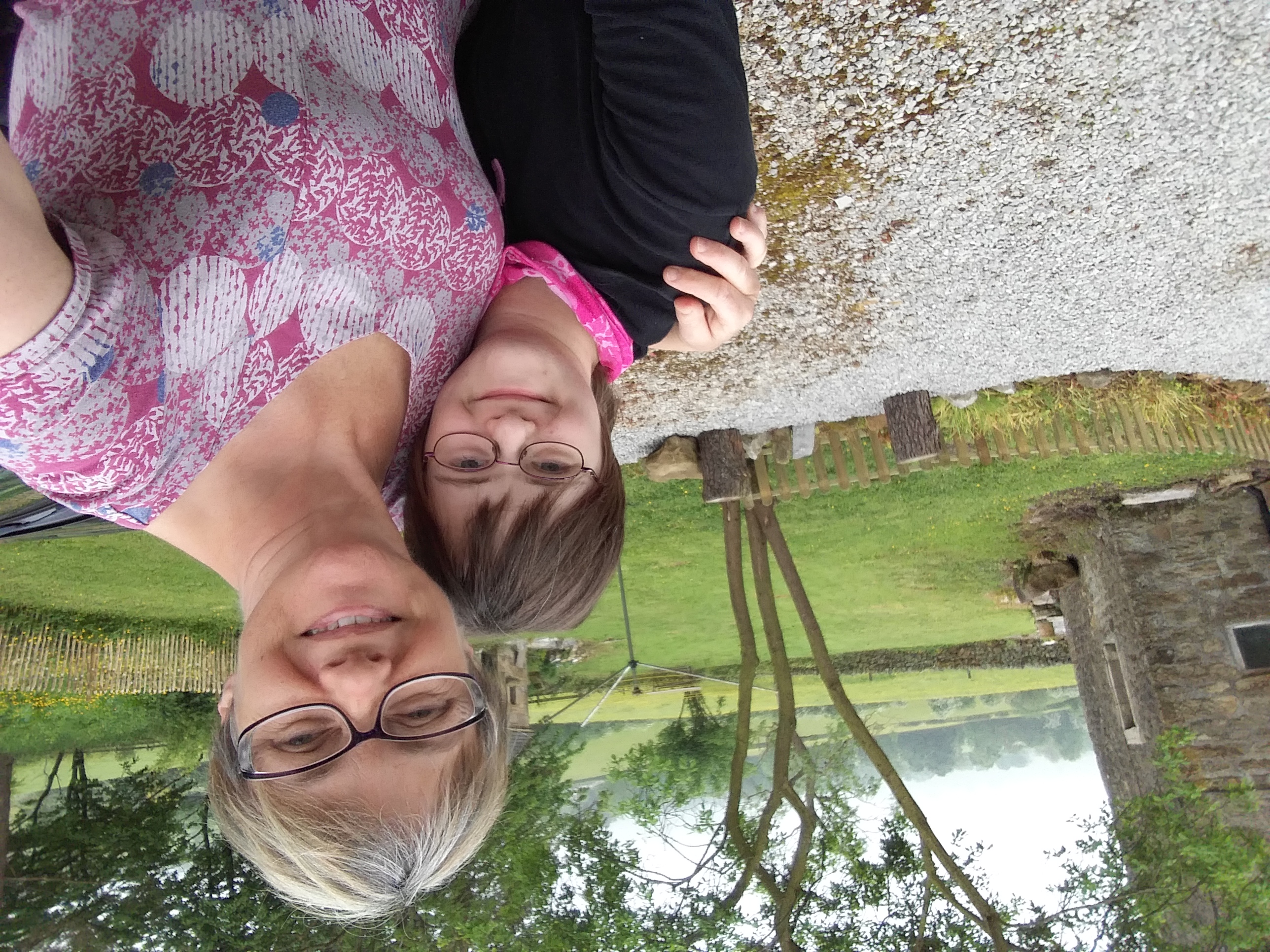
There are different language choices to use when it comes to talking about disability. On this page you'll see a range, to honour the fact that people have different preferences and perspectives. If you're interested in learning more about the language use surround disability then have a look at Roy McCloughry and Krista Ewert's paper on Disability Language and Diversity.

Reimagining Care
The Archbishops Commission report on the future of social care.
For any inquiry regarding disability please the use the form below to contact Malcolm Brown, Director of Mission and Public Affairs or for any enquiry relating to Ministry to the Deaf Community, Gill Behenna, Deaf Ministry Adviser.